 Confirm Material and Quality
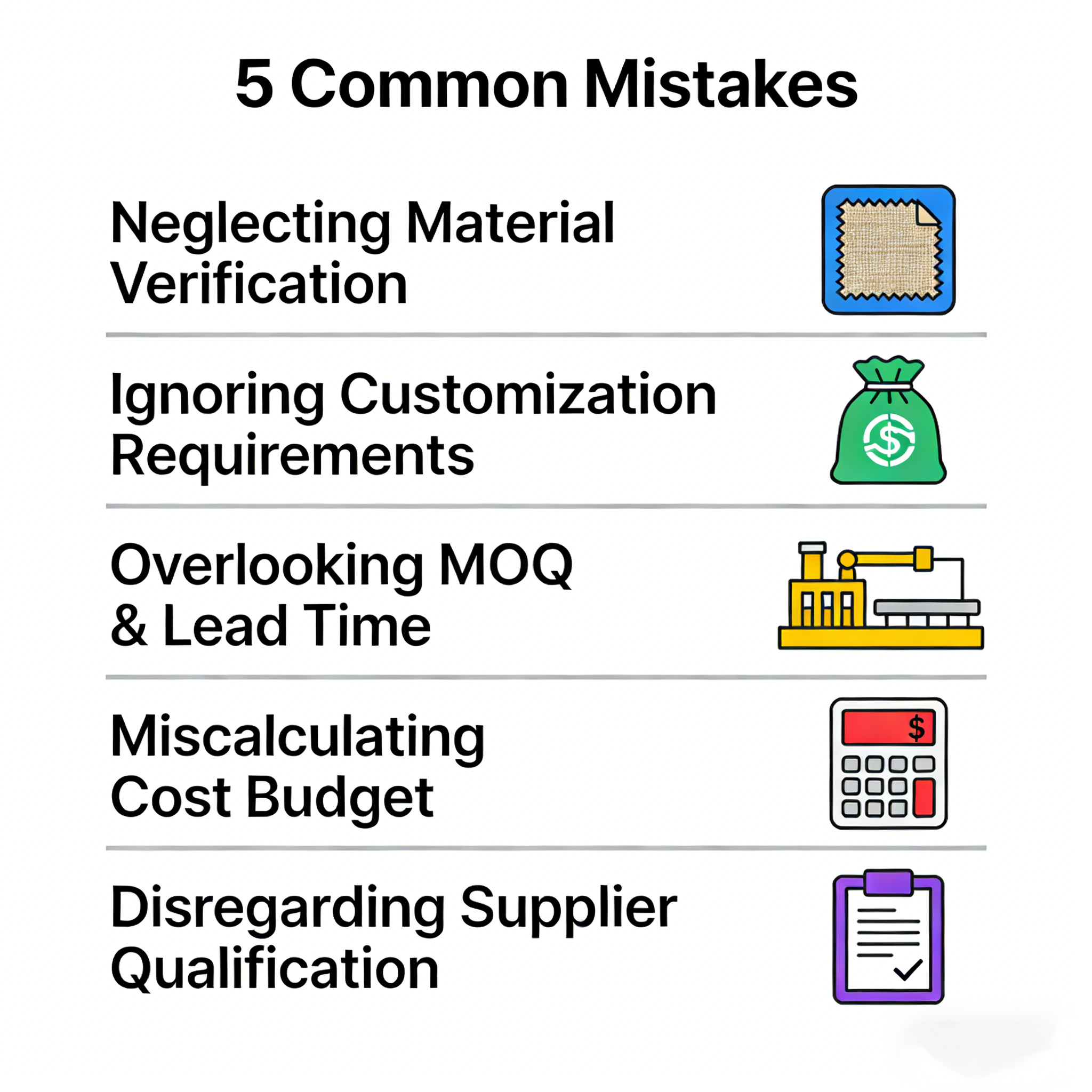
One of the most frequent mistakes buyers make is assuming that suppliers understand the required material and quality standards without clear confirmation. Without proper verification, the final products may not meet expectations, resulting in complaints or returns. To avoid this, buyers should request samples for evaluation and check relevant quality certifications. Certifications such as ISO, BSCI, or Sedex not only assure product quality but also provide confidence that the supplier adheres to ethical production standards. For bulk orders, confirming material properties like thickness, waterproofing, and colorfastness is crucial to ensure consistency across the shipment.
Pay Attention to Customization
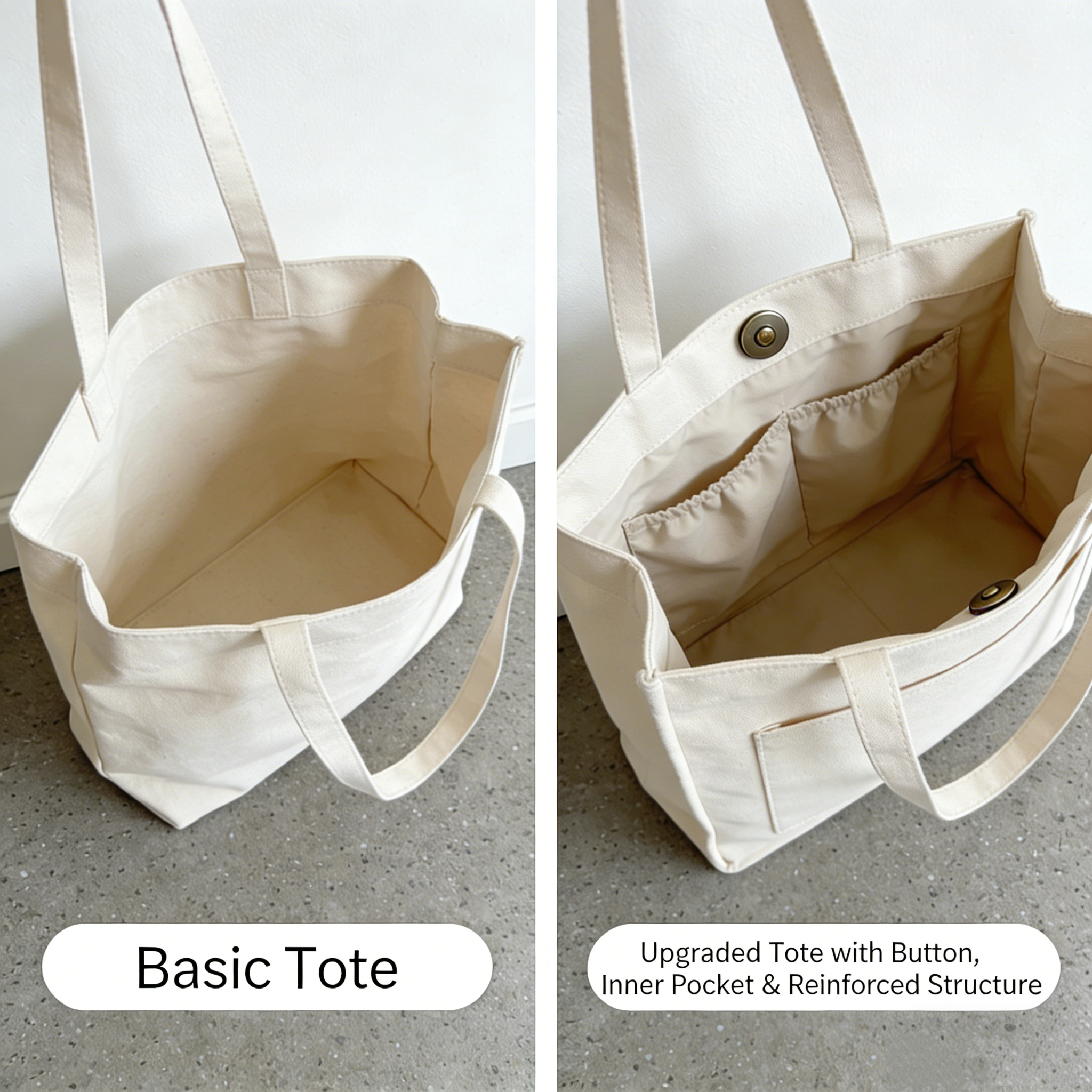
Customization details are often underestimated, yet they are essential for branding and market differentiation. Elements such as logo placement, embroidery, print techniques, zipper types, or internal compartment design can greatly influence the product’s usability and appeal. Failing to communicate these specifications clearly can result in costly reworks or delays. Buyers should provide clear design files, color codes, and precise measurements, and work closely with suppliers to confirm feasibility. Experienced OEM/ODM manufacturers can provide guidance on the best way to implement these customizations without compromising quality.
Understand MOQ and Lead Times
Many buyers focus on unit price but overlook minimum order quantities (MOQ) and production lead times. Different materials, designs, and customizations may require varying production times and batch sizes. Not accounting for these factors can cause delays, missed deadlines, or higher per-unit costs. It is important to discuss MOQs, production timelines, and potential flexibility with your supplier in advance. For urgent orders, understanding the production capacity of the factory helps in planning logistics and avoiding surprises in bulk shipments.
Check Cost Breakdown
A detailed understanding of all costs is essential for accurate budgeting. Buyers often consider only the unit price, ignoring shipping fees, customs duties, tooling costs, and additional charges for design modifications. Failing to account for these expenses can result in unexpected budget overruns. Requesting a comprehensive cost breakdown from the supplier ensures transparency and helps you make informed procurement decisions. This is especially critical for wholesale orders, where small differences per unit can significantly affect overall cost efficiency.
Verify Supplier Credentials
Working with reputable suppliers is crucial for long-term success. Suppliers with proper certifications, stable production capacity, and a proven track record reduce risk and provide reliable service. Certifications such as BSCI, Sedex, or ISO demonstrate compliance with ethical and quality standards, which can also be important when selling products internationally. Vetting suppliers through references, factory visits, or sample evaluations can prevent issues such as subpar materials, inconsistent quality, or delivery delays.
By avoiding these common mistakes, buyers can save time, reduce costs, and secure higher-quality products. Partnering with experienced OEM/ODM suppliers ensures that orders are executed efficiently, customized accurately, and delivered on time.
Company Contact Info:
Ningbo Luckystar Commodities Co., Ltd.
Tel: +86 15957446693 | E-mail: sales@luckystarcreation.com | WeChat/Whatsapp: 86-15957446693